



SharePoint Online
, Task management
, Project management
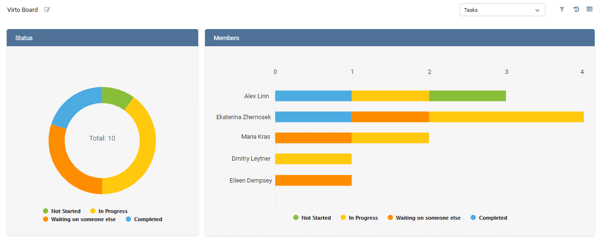
Virto Kanban Board for project managers
Discover how Kanban Board Pro by Virto can help your team update tasks in SharePoint lists and integrate with Microsoft Project.
Unlock efficient project planning, organizing, and collaboration strategies with customizable task management. Read our latest blog post for insights.
18 posts
Discover how Kanban Board Pro by Virto can help your team update tasks in SharePoint lists and integrate with Microsoft Project.

Learn how to color-code your SharePoint list items using calculated columns and custom CSS to improve visual representation and enhance usability.

Discover the new Virto Office 365 Workflow Actions for enhanced workflow management in SharePoint Online. Read this article to learn more!

Learn how to create a SharePoint Kanban board to manage tasks by users instead of priority. Improve your team's task management today!
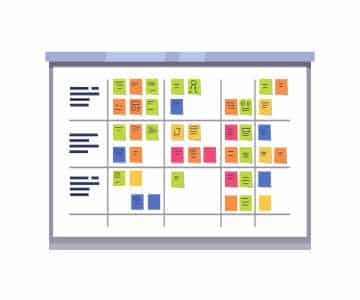
Learn how Kanban methodology, originally implemented in Toyota to improve manufacturing efficiency, became a popular agile framework in IT.

Learn how to overlay multiple calendars into a single, unified view, boosting productivity and keeping everyone in sync, whether you're using SharePoint Online or On-Premises.
